
Market · 9 min read
Buying Historic Santa Ana: Downtown Homes & School Choice
| Paul Phan, Realtor®
Downtown Santa Ana offers some of Orange County's most stunning historic architecture paired with a unique, choice-based educational landscape. Discover how to navigate neighborhood boundaries, charter school proximity, and historic homeownership.
Key Takeaways
- Santa Ana offers a robust choice-based educational landscape, including magnets, fundamental schools, and independent charters like OCSA.
- Proximity to downtown campuses offers immense lifestyle and commute benefits, though admission to specialized programs often requires a lottery or audition.
- Historic neighborhoods like Floral Park, French Park, and Wilshire Square offer distinct architectural styles and price points ranging from the upper hundreds to over $3 million.
- Many historic homes in Santa Ana benefit from the Mills Act, which can significantly reduce property taxes in exchange for historic preservation.
- Always verify traditional school boundaries directly with the Santa Ana Unified School District, as lines can change and differ from third-party real estate listings.
The Intersection of Historic Charm and Educational Choice
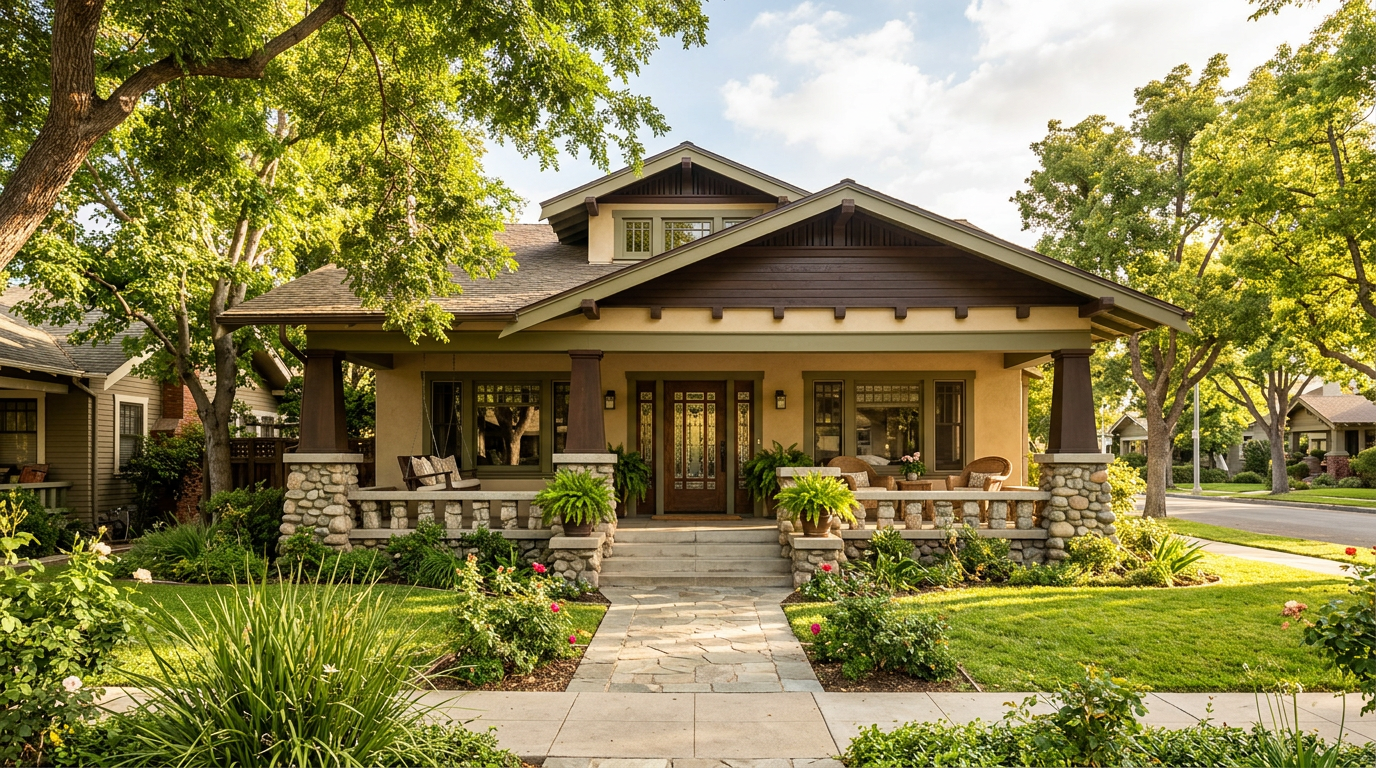
For decades, Orange County buyers seeking authentic, pre-war architecture have turned their attention to central Santa Ana. The neighborhoods surrounding the city's vibrant downtown core—often referred to as DTSA—offer a striking contrast to the master-planned tracts of South County. Here, you will find tree-lined streets, century-old Moreton Bay figs, and an eclectic mix of Craftsman bungalows, Spanish Colonial Revivals, and Tudor estates.
However, for families moving into these historic districts, the conversation inevitably turns to education. The Santa Ana Unified School District (SAUSD) operates differently than many surrounding districts. Rather than relying solely on strict neighborhood feeder patterns, central Santa Ana has evolved into a hub of educational choice, featuring highly sought-after fundamental schools, specialized magnet programs, and renowned independent charter schools.
Navigating this landscape requires a strategic approach to real estate. Buying a home in a specific historic neighborhood does not always guarantee admission to a specialized program, but living near the downtown core offers immense lifestyle advantages for families whose children attend these campuses.
Understanding Santa Ana's Choice-Based School Landscape
When evaluating real estate near downtown Santa Ana, buyers must understand the distinction between traditional neighborhood schools and the area's choice-based options.
Independent Charter Schools: The most famous institution in the downtown core is the Orange County School of the Arts (OCSA), located right on Main Street. OCSA is a tuition-free, donation-dependent public charter school that admits students based on competitive auditions rather than residential zip codes. While living in a neighboring historic district like French Park does not grant your child admission to OCSA, it provides an unparalleled lifestyle benefit if they are accepted. Students can easily walk or bike to campus, and families avoid the notoriously heavy commuter traffic on the I-5 and SR-55 freeways.
SAUSD Magnet and Fundamental Schools: The district has invested heavily in specialized campuses. The Advanced Learning Academy (ALA), for instance, offers a project-based, high-tech curriculum, while fundamental schools focus on highly structured, traditional academic environments with strict attendance and discipline codes. Admission to many of these programs is handled via a lottery system rather than geographic boundaries.
Because test scores and program offerings change, buyers should never rely on outdated third-party rankings. Always research current campus profiles directly through the California Department of Education, GreatSchools, or the SAUSD website to understand the pedagogical approach of each school.
French Park and Washington Square: Walkability and Architecture
For buyers who want to be as close to the downtown core and OCSA as possible, French Park and Washington Square are the premier targets.
French Park: Located just northeast of downtown, this is one of Santa Ana's most recognizable historic districts. The neighborhood is characterized by grand, multi-story Victorian and Craftsman homes. Prices here typically range from the upper hundreds for smaller, fixer-upper bungalows to well over $1.5 million for meticulously restored historic estates. The proximity to the DTSA restaurant scene, the Yost Theater, and the East End makes it highly desirable for urban-minded buyers.
Washington Square: Situated slightly north of French Park, Washington Square offers a cohesive collection of 1920s and 1930s architecture. The active neighborhood association is known for its strong community spirit and annual events. Homes here often feature original hardwood floors, built-in cabinetry, and period-correct tile work.
Living in these neighborhoods means embracing a more urban lifestyle. While you gain immense walkability, buyers should be prepared for typical downtown realities, including occasional street parking constraints and ambient city noise.
Floral Park and Fisher Park: Estate-Style Living Near the Core
If you move further north toward 17th Street, the density decreases and the lot sizes expand. Floral Park and Fisher Park represent the pinnacle of historic luxury in central Orange County.
Floral Park: Famous for its annual home and garden tour, Floral Park features winding streets, massive parkway trees, and sprawling estates that rival the historic homes of Pasadena. Architectural styles lean heavily toward Mediterranean, Spanish Colonial Revival, and English Tudor. Homes in Floral Park rarely trade hands, and when they do, prices generally sit between $1.5 million and $3.5 million.
Fisher Park: A smaller, slightly more hidden enclave adjacent to Floral Park, Fisher Park wraps around a tranquil city park of the same name. It offers a similarly affluent, historic feel but with a slightly more intimate neighborhood footprint.
While these neighborhoods are set back from the immediate bustle of downtown, they remain just a short drive or bike ride from central Santa Ana's magnet and charter campuses, making them highly popular among professionals and established families.
Wilshire Square and Heninger Park: Accessible Historic Charm
South of First Street, buyers will find neighborhoods that offer classic architecture at slightly more approachable price points.
Wilshire Square: This neighborhood boasts an impressive concentration of single-story Craftsman and Spanish bungalows. It is highly walkable and features a very active neighborhood association. Because the homes are generally smaller than those in Floral Park—often ranging from 1,100 to 1,800 square feet—Wilshire Square is an excellent entry point for buyers looking for historic charm without the estate-level price tag.
Heninger Park: Located just south of the downtown core, Heninger Park mixes historic single-family homes with vintage multi-family properties. It is a neighborhood in transition, offering opportunities for buyers willing to put in restoration work. Its immediate proximity to the downtown core makes it a strategic location for those who work in the civic center or attend nearby charter schools.
The Reality of Older Homes: Permits, ADUs, and Maintenance
Buying a home in a designated historic district comes with specific rules and immense financial opportunities that differ wildly from buying a newer home in Irvine or South County.
The Mills Act: Many homes in Santa Ana's historic districts are eligible for, or already enrolled in, the Mills Act. This state-sponsored program offers significant property tax reductions—often saving homeowners anywhere from 30% to 60% annually—in exchange for a commitment to preserve and maintain the home's historic exterior. If you are purchasing a home with an active Mills Act contract, the tax benefits transfer to the new owner. However, this is a specialized area of real estate; always consult with a CPA or tax attorney regarding the specific financial implications for your situation.
Permitting and ADUs: While California has passed sweeping legislation to ease the construction of Accessory Dwelling Units (ADUs), historic districts still maintain design review authority. If you plan to build an ADU in Floral Park or French Park to generate rental income, the structure must typically match the architectural style of the primary residence, and you cannot alter the historic street-facing facade of the property.
Navigating the intersection of historic preservation rules and school choice requires local expertise. Paul Phan, Realtor® with First Team Real Estate and founder of The Maison by Phan Group, frequently advises buyers on how to balance the desire for vintage architecture with the practicalities of modern family life and local zoning laws.
Commutes, Transit, and the Downtown Evolution
One of the primary reasons families choose central Santa Ana is its unmatched connectivity. Bounded by the I-5, SR-55, and SR-22 freeways, commuting to employment hubs in Irvine, Anaheim, or coastal Orange County is highly efficient.
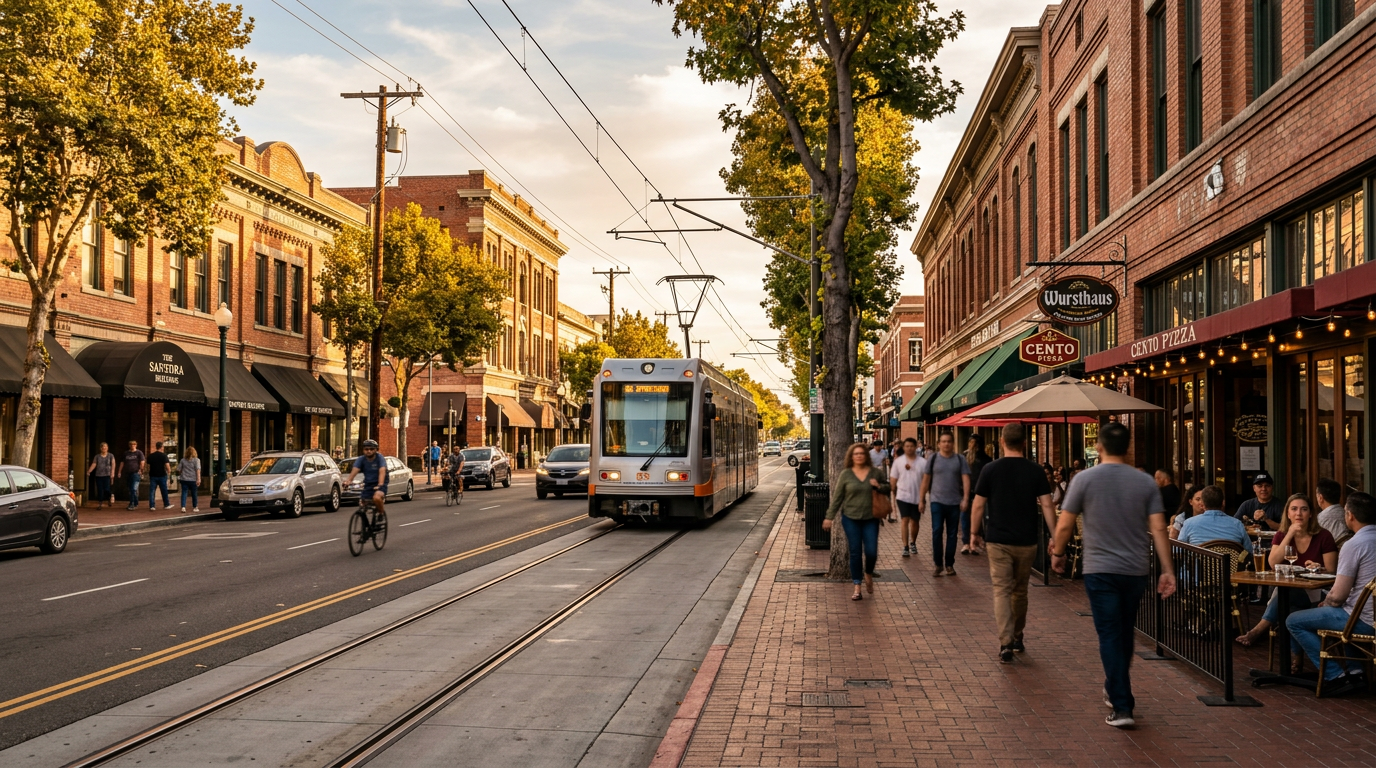
Furthermore, the transportation infrastructure in downtown Santa Ana is undergoing a massive evolution. The OC Streetcar project, running along Santa Ana Boulevard, connects the Santa Ana Regional Transportation Center (SARTC) directly through the downtown core to Garden Grove. For families with older children attending downtown charter schools, or for professionals commuting via Metrolink to Los Angeles, this rail connectivity adds a layer of urban convenience rarely found in Southern California.

Financing Historic and Downtown Santa Ana Real Estate
Financing a historic home requires an understanding of older property appraisals and specialized loan products.
FHA and VA Loans: For first-time buyers or military veterans, FHA and VA loans are excellent tools for purchasing in neighborhoods like Wilshire Square or Heninger Park. However, these government-backed loans have strict property condition requirements. Peeling lead-based paint, older knob-and-tube wiring, or structural issues common in 100-year-old homes may need to be addressed by the seller before the loan can fund.
No Mello-Roos: A major financial benefit of buying in central Santa Ana is the absence of Mello-Roos taxes. Unlike the newer master-planned communities in Irvine or Tustin, these historic neighborhoods were established long before community facilities districts were utilized. This keeps your base tax rate lower, increasing your monthly purchasing power.
Proposition 19: For older homeowners looking to downsize from a larger suburban home into a walkable, historic bungalow near downtown, California's Proposition 19 may allow you to transfer your current, lower property tax base to your new Santa Ana home. This is a powerful tool for maintaining affordability in retirement, though it requires specific criteria to be met.
Making Your Move in Central Orange County
Central Santa Ana offers a lifestyle that is entirely unique within Orange County. It is a place where you can live in a 1920s architectural masterpiece, walk to award-winning culinary destinations, and send your children to innovative, specialized educational programs.
However, finding the right property requires patience, a deep understanding of historic district nuances, and a strategic approach to the local school landscape. Whether you are searching for a Mills Act-eligible estate in Floral Park or a charming Craftsman in Washington Square, having a knowledgeable advocate by your side is essential.
If you are ready to explore the historic neighborhoods and choice-based school options of central Santa Ana, contact Paul Phan at The Maison by Phan Group. With deep roots in the Orange County market, we can help you navigate everything from historic preservation guidelines to neighborhood boundaries, ensuring you find a home that perfectly supports your family's lifestyle and educational goals.
Disclosure
Market information is provided for general education and reflects conditions at the time of writing. It is not legal, tax, or investment advice.
Frequently Asked
Does living in French Park guarantee admission to the Orange County School of the Arts (OCSA)?
No. OCSA is an independent public charter school that admits students based on a competitive audition process, regardless of their residential zip code. However, living in a nearby historic neighborhood allows students to easily walk or bike to campus if accepted.
What is the Mills Act and how does it affect Santa Ana homes?
The Mills Act is a state program that grants significant property tax relief to owners of historic homes who agree to preserve and maintain the property's exterior. Many homes in Santa Ana's historic districts are enrolled, which can save homeowners 30% to 60% on annual property taxes.
Can I build an ADU in a Santa Ana historic district?
Yes, you can build an Accessory Dwelling Unit (ADU) in Santa Ana, but properties located within designated historic districts are subject to design review. The ADU must generally match the architectural style of the primary home and cannot disrupt the historic streetscape.
Are there Mello-Roos taxes in downtown Santa Ana?
No. Because the neighborhoods surrounding downtown Santa Ana were built decades before the creation of community facilities districts, there are no Mello-Roos taxes. This helps keep the overall property tax burden lower compared to newer master-planned communities.
Talk it through
Have a question about your own situation?
Paul Phan represents buyers and sellers across Orange County — in English and Vietnamese.
(714) 717-8088Continue reading
Market
Downtown Huntington Beach & Pier: Coastal Real Estate Guide
Living near the Huntington Beach Pier offers unparalleled access to surf culture and coastal amenities, but it comes with unique real estate realities. Discover what buyers need to know about the Downtown grid, parking, and narrow-lot architecture.
Market
Homes Around Mile Square Park: Fountain Valley Neighborhoods
Mile Square Regional Park is the 607-acre crown jewel of Fountain Valley, offering residents an unparalleled outdoor lifestyle right in their backyards. For homebuyers, navigating the neighborhoods that border this massive green space requires understanding hyper-local traffic patterns, school boundaries, and architectural nuances.
Market
Irvine Unified vs. Tustin Unified: The Real Estate Boundary Guide
In Orange County, an invisible line separates the Irvine and Tustin school districts, often running right through the middle of residential neighborhoods. Understanding how this boundary impacts home prices, property taxes, and daily commutes is essential for buyers navigating the local market.
