
Market · 7 min read
Disneyland Resort District: What It Is Like to Own a Home Nearby
| Paul Phan, Realtor®
Owning a home near the Disneyland Resort offers a unique blend of nightly fireworks, historic mid-century neighborhoods, and highly specific local regulations. For buyers and investors, understanding the realities of traffic, permit parking, and short-term rental bans is essential before purchasing in Anaheim's most famous district.
Key Takeaways
- Neighborhoods near Disneyland feature classic 1950s single-story ranch homes and historic properties with no Mello-Roos taxes.
- Anaheim strictly prohibits new short-term rentals (Airbnbs) in residential zones; investors must focus on long-term (30+ day) rentals.
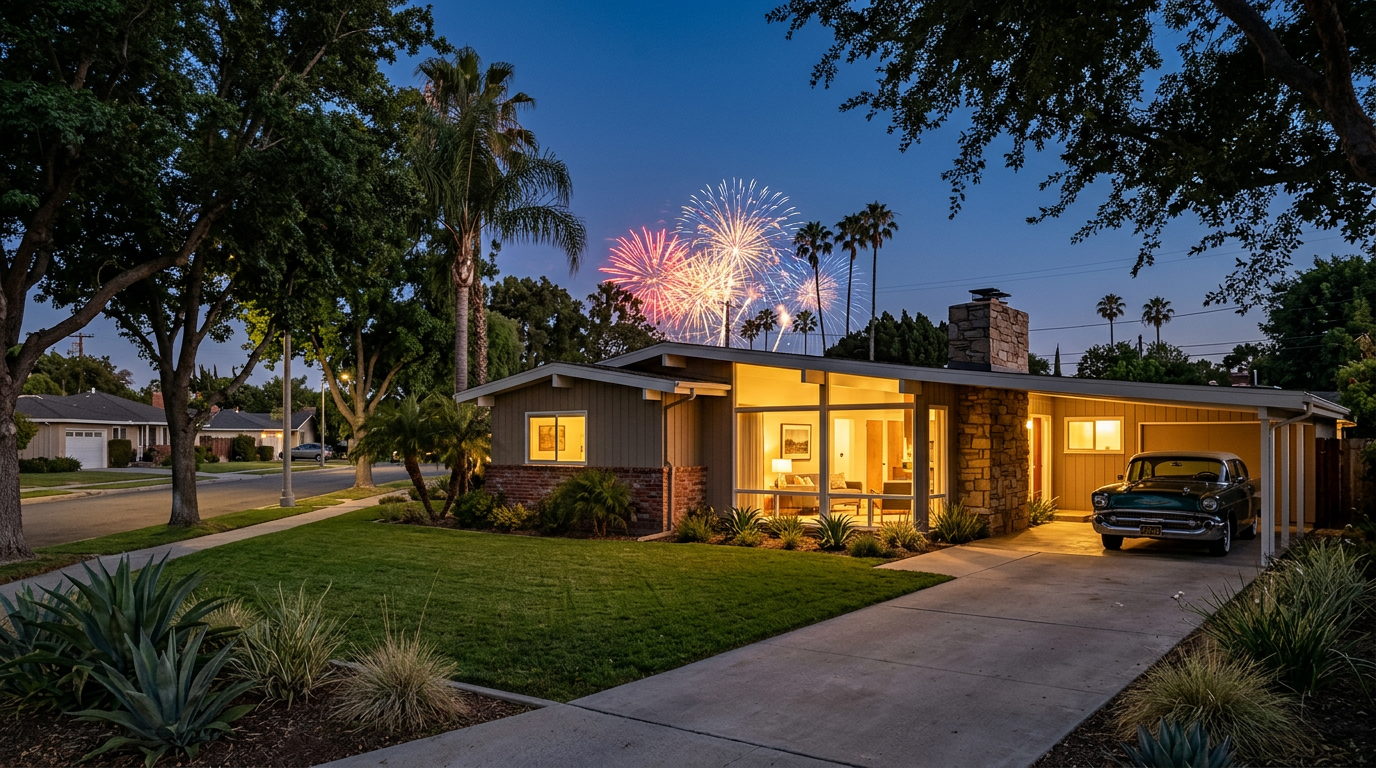
- Nightly fireworks at 9:30 PM are a daily reality; buyers with sensitive pets or young children should consider the noise impact.
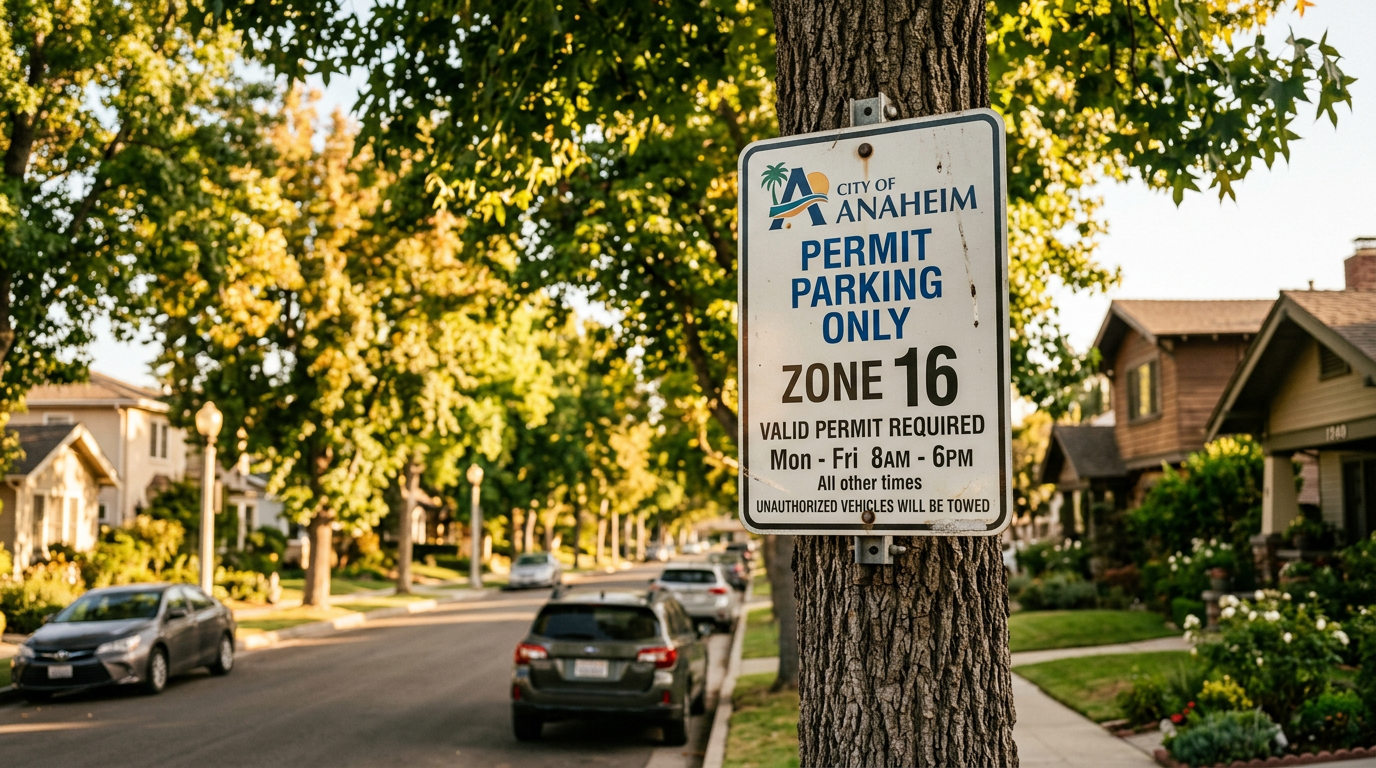
- The city enforces strict residential permit parking zones to prevent theme park guests from parking on local streets.
- School attendance boundaries within the Anaheim Union High School District can change, making verification essential before buying.
The Reality of Living in the Happiest Place on Earth's Backyard
For millions of visitors, the Disneyland Resort is a vacation destination. But for the residents of Anaheim who live in the neighborhoods immediately surrounding the park, it is simply the backdrop to daily life. Bounded roughly by Ball Road to the north, Walnut Street to the west, Orangewood Avenue to the south, and Harbor Boulevard to the east, the residential pockets wrapping the Anaheim Resort District offer a highly unique homeownership experience.
Living near Disneyland means hearing the distant whistle of the Disneyland Railroad on a quiet morning, seeing the peak of the Matterhorn while walking the dog, and setting your watch by the 9:30 PM fireworks. However, it also means navigating tourist traffic, understanding strict municipal parking regulations, and dealing with the realities of living next to a massive, year-round entertainment complex.
For homebuyers and real estate investors looking at Anaheim, the neighborhoods bordering the resort offer undeniable charm and strong property values. Yet, purchasing a home here requires a clear-eyed understanding of local zoning, neighborhood rhythms, and the city's stringent rules regarding property use.
Neighborhoods Bordering the Resort District
The residential areas surrounding the Disneyland Resort are surprisingly varied, ranging from historic districts to classic mid-century tracts built during the post-WWII Southern California housing boom.
West of the Park (Walnut Street and West Street) The neighborhoods immediately west of the resort—along Walnut Street, West Street, and Cerritos Avenue—are defined by classic 1950s single-story ranch homes. Many of these tracts were built concurrently with the original construction of Disneyland in 1955, originally housing early park employees (known as Cast Members) and aerospace workers. Today, these tree-lined streets are quiet, established, and highly coveted for their walking distance to the Downtown Disney District and the Mickey & Friends parking structure.
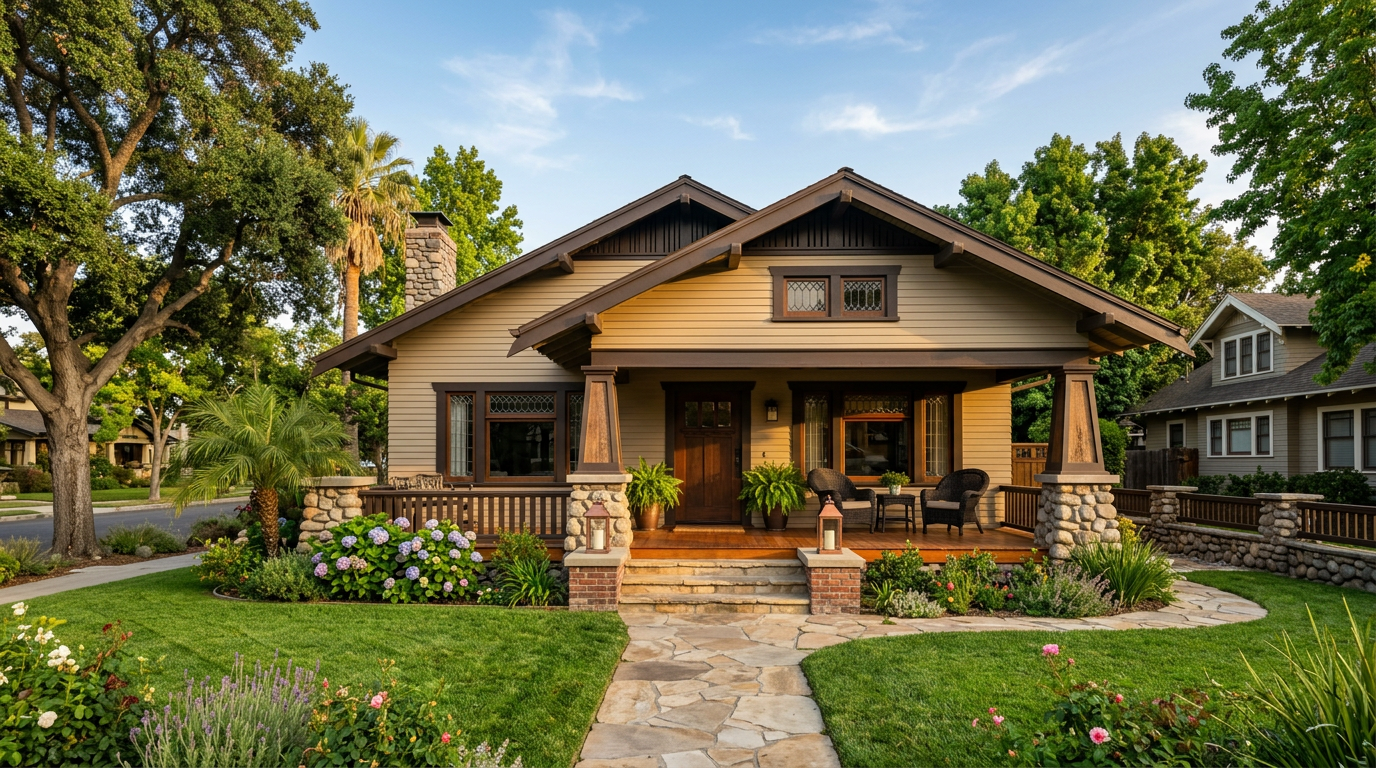
North of the Park (Ball Road and The Anaheim Colony) Just north of the resort district across Ball Road lies the southern edge of the Anaheim Colony Historic District. This area features some of the city's oldest and most architecturally diverse homes, including Craftsman bungalows, Tudor Revivals, and Spanish Colonial styles. Homeowners in the historic district often take deep pride in preservation, and some properties may qualify for the Mills Act, which can offer significant property tax relief in exchange for historical upkeep.
South and East of the Park The areas directly south (along Katella Avenue and Orangewood Avenue) and east (along Harbor Boulevard) are heavily commercialized, dominated by hotels, restaurants, and the Anaheim Convention Center. However, just beyond this commercial buffer are pockets of newer townhomes, condominiums, and apartment complexes, particularly as you move southeast toward the Platinum Triangle.
Housing Styles and Market Realities
The architectural landscape near the resort is predominantly mid-century. The quintessential Anaheim home in this area is a three-bedroom, two-bathroom stucco ranch with a low-pitched roof, an attached two-car garage, and a generous backyard.
Because these neighborhoods were built in the 1950s and 1960s, buyers rarely have to worry about Mello-Roos taxes—a common burden in newer Orange County developments like Irvine's Great Park. However, older homes come with their own maintenance realities. Buyers should budget for potential upgrades to plumbing (such as replacing original galvanized pipes), electrical panels, and HVAC systems if previous owners have not already modernized them.
*Note: Real estate prices fluctuate. Buyers should consult current local market data for precise pricing at the time of their search.*
Anaheim Short-Term Rental Rules: What Investors Must Know
One of the most common misconceptions among out-of-town real estate investors is that buying a house near Disneyland is an automatic ticket to a lucrative Airbnb or VRBO business. In reality, the City of Anaheim has some of the strictest short-term rental (STR) regulations in Southern California.
In 2016, Anaheim effectively banned new short-term rentals in residential zones. Existing, legally permitted STRs were either phased out or heavily regulated under a grandfathering system. Today, it is generally illegal to purchase a standard single-family home in an Anaheim residential neighborhood and convert it into a short-term rental (defined as a stay of fewer than 30 days).
The city enforces this ban aggressively, utilizing software to scrape rental sites and issuing hefty fines to violators. For investors, this means the strategy must shift. Properties near the resort are excellent candidates for long-term rentals (30 days or more), attracting traveling nurses working at nearby UCI Medical Center, corporate relocations, or families transitioning to the area.
Accessory Dwelling Units (ADUs) are highly popular in these mid-century tracts due to the large, flat backyards. While building an ADU is a fantastic way to generate rental income or house multi-generational family members, Anaheim's regulations typically prohibit using ADUs as short-term rentals. Investors and homeowners must review the latest zoning codes on the City of Anaheim's official planning website before purchasing a property with an STR strategy in mind.
The Nightly Fireworks: Charm or Nuisance?
Perhaps the most defining feature of living within a two-mile radius of the Disneyland Resort is the nightly fireworks show. Depending on the season and the park's schedule, the pyrotechnics typically launch at 9:30 PM.
For many residents, this is a magical perk. Hosting backyard barbecues with a private view of the Disney fireworks is a unique Orange County luxury. The concussive "booms" become a familiar, comforting rhythm of the evening.
However, it is not for everyone. Light sleepers, families with very young children attempting to maintain early bedtimes, and owners of noise-sensitive dogs must factor the fireworks into their daily routine. The sound can rattle windows in the neighborhoods immediately adjacent to the park. Buyers should spend an evening in the neighborhood they are considering—specifically around 9:30 PM—to gauge their personal tolerance for the noise.
Traffic, Parking, and the Commute
Living near a global tourist destination means sharing the roads with millions of visitors. Harbor Boulevard, Katella Avenue, and Ball Road are major arterial streets that experience heavy traffic, particularly during the morning park opening, the evening park closure, and major convention center events.
To protect the quality of life for local residents, the City of Anaheim has implemented strict Permit Parking Districts in the neighborhoods surrounding the resort. This prevents theme park guests from parking on residential streets to avoid Disney's parking fees. Homeowners in these zones are issued resident and guest permits. While this effectively keeps the streets clear of tourist vehicles, it does require homeowners to manage guest passes carefully when hosting large gatherings.
For commuters, the resort district offers highly convenient freeway access. The Interstate 5 (I-5) carpool lanes are easily accessible from Disney Way, and State Route 57 (SR-57) and State Route 22 (SR-22) are just minutes away. Additionally, the Anaheim Regional Transportation Intermodal Center (ARTIC) provides easy access to Metrolink and Amtrak Pacific Surfliner trains, making commutes to Los Angeles or south to San Diego highly manageable.
Local Schools and Attendance Boundaries
Families moving to the resort area are typically served by the Anaheim Elementary School District (AESD) for primary grades and the Anaheim Union High School District (AUHSD) for middle and high school.
Neighborhoods west and north of the park often feed into Loara High School or Anaheim High School, while those to the south may feed into Katella High School. The district is also home to specialized campuses, such as Oxford Academy, a highly sought-after magnet school that requires an entrance exam and serves grades 7 through 12.
Because school attendance boundaries can shift based on enrollment numbers and district rezoning, buyers should never assume a home is zoned for a specific school based solely on proximity. Always verify current boundary maps directly through the AUHSD and AESD official websites before submitting an offer on a property.
Is Buying Near Disneyland Right for You?
Owning a home in the shadow of the Matterhorn is a distinctly Southern California experience. It offers robust neighborhood stability, historic mid-century charm, and immediate access to world-class entertainment and dining. However, it requires a willingness to embrace the quirks of the area—from the nightly pyrotechnics to the permit parking programs.
Navigating the nuances of Anaheim real estate—whether you are trying to understand the latest ADU setbacks, verifying permit parking boundaries, or seeking a home in the historic Colony—requires highly localized expertise.
Paul Phan, Realtor® (DRE #02226917) and The Maison by Phan Group specialize in helping buyers, sellers, and investors understand the granular details of Orange County's most unique neighborhoods. If you are considering purchasing a home or investment property near the Disneyland Resort District, contact Paul at (714) 717-8088 or email paul@maisonbyphan.com to discuss your goals and explore currently available properties.
Disclosure
Market information is provided for general education and reflects conditions at the time of writing. It is not legal, tax, or investment advice.
Frequently Asked
Can I buy a house near Disneyland and use it as an Airbnb?
Generally, no. The City of Anaheim banned new short-term rentals (stays under 30 days) in residential zones in 2016. Unless a property possesses a rare, legally grandfathered permit, investors must adhere to long-term rental strategies of 30 days or more.
Do I have to pay for parking if I live near the Disneyland Resort?
Homeowners do not pay daily parking fees, but many neighborhoods require city-issued residential parking permits. The City of Anaheim utilizes these permit zones to prevent tourists from parking on residential streets, meaning homeowners must manage guest passes for visitors.
Are there Mello-Roos taxes in the neighborhoods around Disneyland?
Most residential neighborhoods immediately surrounding the resort were built in the 1950s and 1960s, long before the Mello-Roos Community Facilities Act of 1982. Therefore, these classic mid-century tracts typically do not carry Mello-Roos taxes.
How loud are the Disneyland fireworks in the surrounding neighborhoods?
The noise level depends on your exact proximity, but neighborhoods adjacent to the park will clearly hear the concussive "booms" and may experience rattling windows. The shows typically occur at 9:30 PM, which is an important consideration for light sleepers and pet owners.
Talk it through
Have a question about your own situation?
Paul Phan represents buyers and sellers across Orange County — in English and Vietnamese.
(714) 717-8088Continue reading
Market
Homes Around Mile Square Park: Fountain Valley Neighborhoods
Mile Square Regional Park is the 607-acre crown jewel of Fountain Valley, offering residents an unparalleled outdoor lifestyle right in their backyards. For homebuyers, navigating the neighborhoods that border this massive green space requires understanding hyper-local traffic patterns, school boundaries, and architectural nuances.
Market
Irvine Unified vs. Tustin Unified: The Real Estate Boundary Guide
In Orange County, an invisible line separates the Irvine and Tustin school districts, often running right through the middle of residential neighborhoods. Understanding how this boundary impacts home prices, property taxes, and daily commutes is essential for buyers navigating the local market.
Market
Huntington Beach High School Boundaries: A Coastal Real Estate Guide
For families moving to Huntington Beach, navigating high school boundaries is just as critical as finding the right coastal home. Discover the neighborhoods, housing styles, and local real estate nuances surrounding the city's major high school campuses.
