
Buyers · 9 min read
What a Home Inspection Really Finds in a 1960s Orange County Tract Home
| Paul Phan, Realtor®
Orange County's 1960s tract homes offer large lots and mid-century charm without the burden of Mello-Roos taxes. However, 60 years of wear means buyers need to know exactly what they are inheriting before closing escrow.
Điểm Chính
- Cast iron sewer lines and galvanized plumbing from the 1960s are typically at the end of their functional lifespan and may require replacement.
- Outdated electrical panels, such as Zinsco or Federal Pacific, pose fire hazards and must often be upgraded to support modern appliances and ADUs.
- Asbestos and lead paint are common in pre-1978 homes but can usually be managed safely if left undisturbed.
- VA and FHA loans have strict habitability requirements that can complicate the purchase of an unrenovated 1960s property.
- Negotiating seller credits for major system replacements is often preferable to having the seller manage the repairs themselves.
The Allure and Reality of Orange County’s 1960s Tract Homes
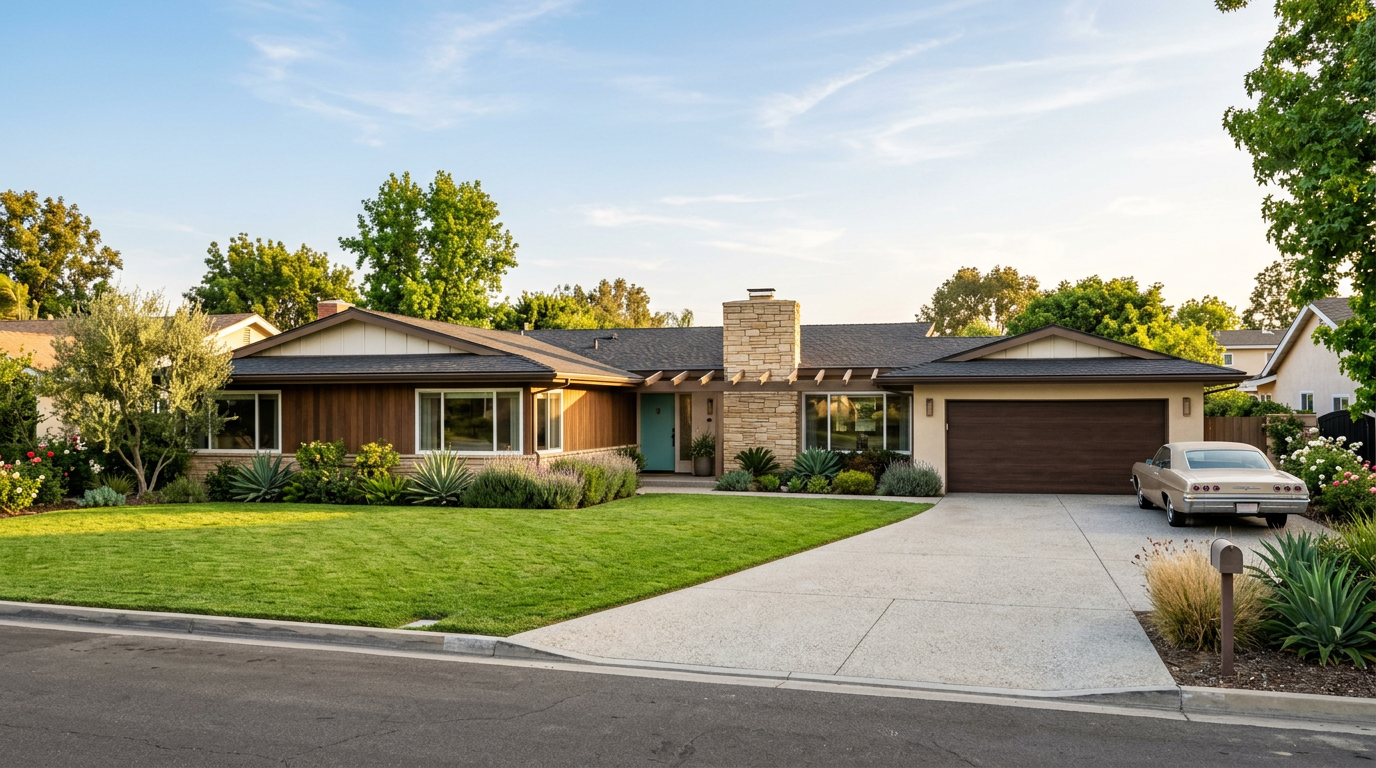
During the 1960s, Orange County experienced a massive post-war housing boom. Cities like Westminster, Fountain Valley, Garden Grove, and Orange rapidly expanded, filling with single-story ranch homes and spacious two-story models. Today, these 1960s tract homes are incredibly sought after by buyers. Unlike the newer construction found in South County, these mid-century neighborhoods typically have no Mello-Roos taxes, low or non-existent Homeowners Association (HOA) dues, and large lots that are practically begging for an Accessory Dwelling Unit (ADU).
Furthermore, recent shifts in the market—driven in part by older homeowners utilizing Prop 19 to transfer their low property tax bases and downsize—mean a steady stream of these original or lightly updated 1960s homes are hitting the market.
But a home built during the Johnson administration comes with six decades of wear and tear. A standard 30-minute walkthrough is not enough to uncover the intricacies of aging building materials. When you enter escrow on a 1960s tract home in Orange County, your physical inspection contingency becomes your most critical line of defense. Here is a detailed look at what a thorough home inspection will likely reveal, and how to navigate these findings without losing the house of your dreams.
Electrical Systems: Outdated Panels and Ungrounded Wiring
The way we consume electricity has changed drastically since 1965. Back then, a 100-amp electrical panel was more than sufficient to run a few appliances, a television, and the home's lighting. Today, with dual-zone central air conditioning, home offices, electric vehicle (EV) chargers, and the potential addition of an ADU, a 100-amp panel is woefully inadequate.
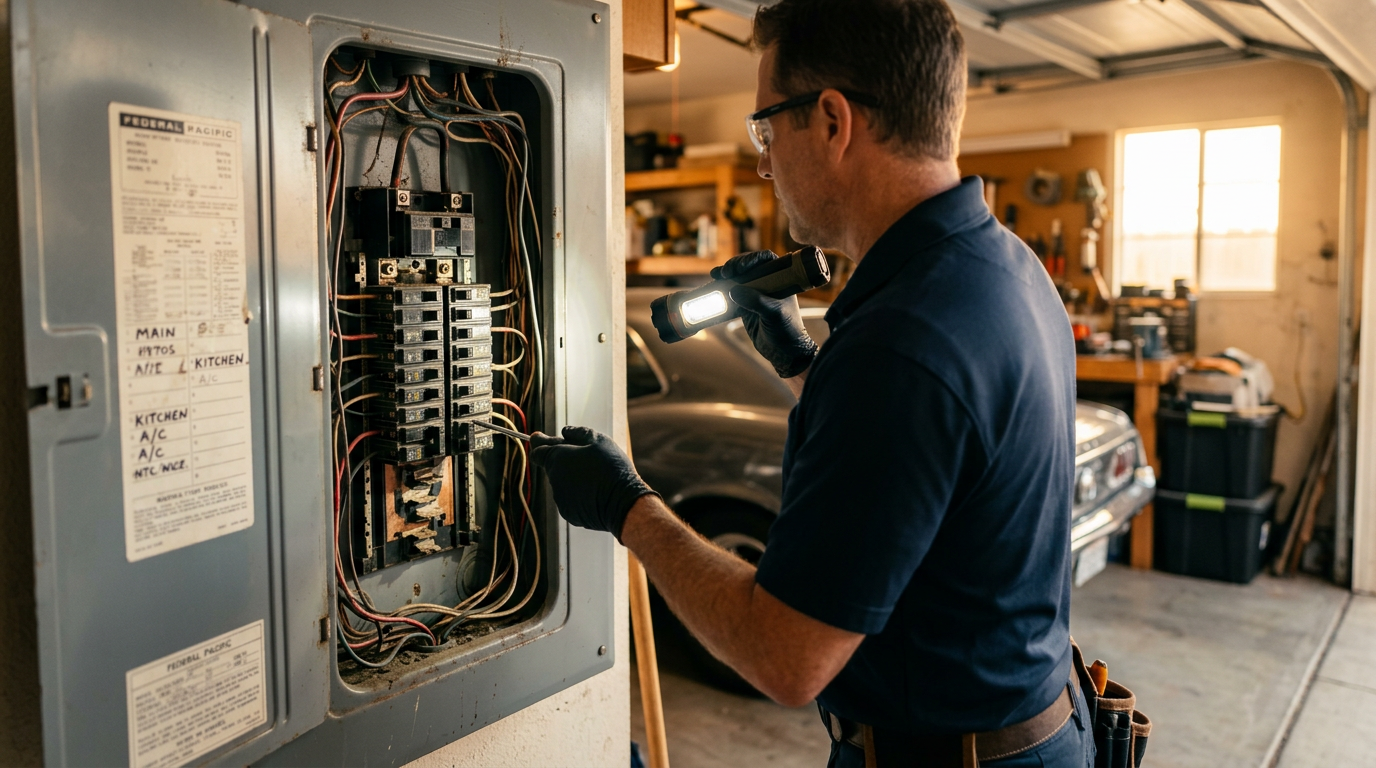
Beyond capacity, the brand of the electrical panel matters. During the 1960s, Zinsco and Federal Pacific Electric (FPE) panels were commonly installed in Southern California tract homes. Home inspectors routinely flag these specific brands as safety hazards because their circuit breakers have a known history of failing to trip during an overload, creating a significant fire risk. If your prospective home has one of these panels, your insurance company may even require its replacement before they will bind a policy.
Inside the home, inspectors frequently find ungrounded, two-prong outlets. While some sellers attempt a cheap fix by installing three-prong receptacles without actually running a ground wire, a good inspector will catch this instantly with a simple outlet tester. Rewiring a home or upgrading a panel is a common necessity when purchasing a mid-century property, and buyers should be prepared to negotiate or budget accordingly.
The Asbestos and Lead Paint Question
Because the federal government did not ban lead-based paint until 1978, it is safe to assume that any Orange County home built in the 1960s contains lead paint somewhere beneath its many layers of modern paint. Similarly, asbestos was heavily used in building materials throughout the mid-century period.
During a home inspection, the inspector will point out materials that are likely to contain asbestos. In a 1960s tract home, this typically includes:
It is important not to panic at the mere mention of asbestos or lead. As the California Department of Real Estate (DRE) and environmental guidelines note, these materials are generally not hazardous if they are intact and undisturbed. The danger arises when the materials become "friable" (crumbled or pulverized), releasing fibers into the air. If you plan to scrape the popcorn ceilings or tear up the original flooring during a renovation, you will need to hire certified abatement professionals, which adds to your remodeling budget.
- Acoustic "popcorn" ceilings.
- 9x9 vinyl floor tiles and the black mastic adhesive beneath them.
- Transite flues (the exhaust pipes for water heaters and wall furnaces).
- Original ductwork insulation.
Foundations, Slabs, and Decades of Settling
Orange County is known for its expansive clay soils, particularly in inland cities like Orange, Tustin, and parts of Santa Ana. This soil expands when wet and shrinks when dry, putting tremendous seasonal stress on concrete foundations over the course of 60 years.
Most 1960s tract homes were built on slab-on-grade foundations. When walking the property, your inspector will look for signs of significant settling. Hairline cracks in the concrete slab or the exterior stucco are incredibly common and usually represent normal settling. However, your inspector will be on the lookout for more severe symptoms, such as:
If the inspector suspects structural failure rather than standard settling, they will recommend a secondary evaluation by a licensed structural engineer. While catastrophic foundation failure is rare in these tracts, addressing poor drainage around the home's perimeter is a frequent recommendation to prevent future issues.
- Doors that stick or swing open on their own.
- Large, jagged cracks in the foundation that are wider than a quarter-inch.
- Uneven or sloping floors.
- Diagonal cracks radiating from the corners of windows and doorframes.
Roofs, Eaves, and Termite Damage
In Southern California, it is not a matter of *if* a home has termites, but *when*. While the home inspector will look at the roof and eaves, you will also need a separate, licensed termite inspector to generate a Wood Destroying Pests and Organisms Report.
Many 1960s homes feature architectural designs with exposed eaves and original wood fascia boards. Over 60 years, exposure to the harsh Southern California sun and occasional heavy winter rains leads to dry rot. Termites are naturally drawn to this compromised wood. It is very common for a 1960s home in Fountain Valley or Garden Grove to require "Section 1" termite work—which includes fumigation (tenting) and the replacement of damaged wood—before the home is considered fully sound.
Regarding the roof itself, many of these older homes have multiple layers of composition shingles. Building codes generally allow for a maximum of two layers of roofing. If the home already has two layers and the top layer is failing, you cannot simply lay down a third; the entire roof must be torn off down to the wood sheathing, which significantly increases the cost of a roof replacement.
HVAC and Insulation Deficiencies
Central air conditioning was considered a luxury in the 1960s, not a standard feature. Many tract homes, especially those in coastal-adjacent cities where the ocean breeze was deemed sufficient, were built with only a gas wall furnace or a gravity furnace in the hallway.
If central HVAC was retrofitted later, inspectors often find that the ductwork is inefficient or poorly routed. Furthermore, attic insulation in 1960s homes is notoriously inadequate. The original fiberglass batts or blown-in cellulose have usually compressed over the decades, dropping the home's energy efficiency well below modern standards. Upgrading the attic insulation is one of the most cost-effective ways to improve the comfort of a 1960s home, and buyers should expect this to be a line item on their post-closing to-do list.

How Inspection Findings Impact Your Loan
The condition of a 1960s home does not just affect your wallet; it can also affect your financing. Buyers utilizing VA or FHA loans must navigate strict Minimum Property Requirements (MPRs). These government-backed loans require the property to be safe, sound, and structurally secure.
If an inspector or appraiser notes peeling paint on a home built before 1978, the VA or FHA will flag it as a potential lead-based paint hazard, and the seller will be required to scrape and paint the affected areas before the loan can fund. Similarly, active roof leaks, missing water heater straps, or a lack of a functional heating system will halt a VA or FHA loan in its tracks. Conventional loans are generally more forgiving of cosmetic and minor functional defects, but severe safety hazards will still be flagged.
Next Steps for Buyers
Buying a 1960s tract home in Orange County is an excellent investment. These properties offer a sense of neighborhood character, lot sizes, and architectural charm that modern developments simply cannot replicate. However, going into the transaction with your eyes wide open is essential.
Having an experienced real estate team by your side ensures that you know exactly what to look for, which specialized inspections to order, and how to negotiate effectively when the inevitable defects are uncovered.
If you are ready to explore the classic neighborhoods of Orange County, Paul Phan and The Maison by Phan Group are here to guide you through every step of the process. With deep local expertise and a commitment to protecting our clients' investments, we ensure your homebuying journey is as seamless as possible.
*Ready to find your perfect Orange County home? Contact Paul Phan, Realtor® (DRE #02226917) at The Maison by Phan Group today. Call (714) 717-8088 or email paul@maisonbyphan.com to schedule your private consultation.*
*(Disclaimer: This article is for informational purposes only and does not constitute legal, tax, or financial advice. Always consult with a licensed CPA or real estate attorney regarding your specific situation.)*
Miễn Trừ Trách Nhiệm
Market information is provided for general education and reflects conditions at the time of writing. It is not legal, tax, or investment advice.
Frequently Asked
Should I walk away from a house with a cast iron plumbing leak?
Not necessarily. While a plumbing leak is a major issue, it is a common reality for 1960s homes in Orange County. If the seller is willing to provide a credit for a complete repipe, you can upgrade the home to modern PEX plumbing, adding long-term value to the property.
Can I get a VA loan on a 1960s fixer-upper in Orange County?
It depends on the condition of the home. VA loans have strict Minimum Property Requirements (MPRs) regarding safety and habitability. If the home has peeling paint, active roof leaks, or severe structural issues, these must be repaired before the VA will fund the loan.
Are popcorn ceilings illegal to have in a home?
No, they are not illegal. Popcorn ceilings in 1960s homes often contain asbestos, but they are generally safe as long as they are intact and undisturbed. If you wish to remove them, you must hire a certified abatement professional to do so safely.
Why do home inspectors always flag Zinsco electrical panels?
Zinsco and Federal Pacific Electric (FPE) panels are known safety hazards. Their circuit breakers have a high failure rate when it comes to tripping during an electrical overload, which can lead to overheating and electrical fires. Most inspectors and insurance companies require their replacement.
Talk it through
Have a question about your own situation?
Paul Phan represents buyers and sellers across Orange County — in English and Vietnamese.
(714) 717-8088Continue reading
Buyers
Đạo Luật Prop 19 Thay Đổi Bài Toán Tài Chính Cho Chủ Nhà Trên 55 Tuổi Tại Orange County Như Thế Nào
Trong nhiều thập kỷ, các chủ nhà tại Orange County cảm thấy bị mắc kẹt trong những căn nhà không còn phù hợp với lối sống của họ vì việc chuyển nhà đồng nghĩa với việc thuế địa ốc tăng vọt. Đạo luật Prop 19 đã thay đổi hoàn toàn bài toán này, cho phép quý vị mang theo mức thuế thấp sang căn nhà mới.
Buyers
Cách Thắng Offer Mua Nhà OC: Contingency & Đánh Bại Tiền Mặt
Thua các cash buyer không có nghĩa là bạn phải trả giá quá cao cho ngôi nhà tiếp theo của mình. Bằng cách tái cấu trúc chiến lược các contingency và hiểu tâm lý người bán, người mua cần vay loan vẫn có thể chiến thắng trong thị trường cạnh tranh của Orange County.
Investors
Thị Trường Cho Thuê Orange County: Nên Bán Hay Giữ Lại Để Cho Thuê?
Lãi suất vay mua nhà thấp kỷ lục đã biến nhiều chủ nhà ở Orange County trở thành những người cho thuê nhà bất đắc dĩ. Nhưng liệu việc giữ lại căn nhà để cho thuê có thực sự mang lại lợi ích tài chính trong năm 2026?
