

Market · 9 min read
The New OC Carrying Costs: Solar, Insurance & Utilities in 2026
| Paul Phan, Realtor®
Mortgage rates dominate the headlines, but the true cost of Orange County homeownership is shifting. Here is how rising insurance premiums, new solar regulations, and utility hikes are reshaping your monthly carrying costs.
Điểm Chính
- The California insurance crisis has pushed many OC homeowners, especially in foothill areas, to the FAIR Plan, significantly increasing premium costs.
- Under NEM 3.0, new solar installations generally require battery storage to be financially viable, making existing NEM 2.0 grandfathered homes highly desirable.
- Buyers are increasingly rejecting the assumption of solar leases, often requiring sellers to buy out the contracts during escrow.
- Condominium HOAs are passing massive master insurance policy hikes down to homeowners through increased monthly dues and special assessments.
- Home hardening (like ember-resistant vents) and energy audits are critical strategies for mitigating rising insurance and utility carrying costs.
The Shifting Landscape of Orange County Homeownership
When evaluating Orange County real estate, buyers and homeowners traditionally focus on three primary numbers: the purchase price, the mortgage interest rate, and property taxes. Thanks to California's Proposition 13, property taxes remain relatively predictable, capped at a 2% annual increase on the assessed value. However, as we navigate late 2026, a new financial reality has taken hold. The true cost of homeownership—the carrying cost—is being dramatically reshaped by forces outside the mortgage market.
Insurance premiums, utility rates, and the economics of solar power have fundamentally altered the monthly math for homeowners from Westminster to Newport Beach. Whether you are holding a long-term investment property in Garden Grove, looking to buy your first home in Buena Park, or managing a luxury estate in the hills of Orange, understanding these carrying costs is no longer optional. It is the defining factor in protecting your equity and maintaining your monthly cash flow.
For buyers, failing to account for these costs can turn an affordable mortgage into an unmanageable monthly burden. For sellers, understanding how these factors impact a buyer's purchasing power is critical to pricing and negotiating effectively.
The California Insurance Crisis: What It Means for OC
The most significant shock to Orange County carrying costs in recent years has been the California property insurance crisis. Following years of devastating wildfires across the state and rising reinsurance costs globally, several major insurance carriers paused or severely restricted writing new homeowner policies in California.
While Orange County has largely avoided the catastrophic, widespread destruction seen in other parts of the state, the region is not immune to the fallout. Homes located in or near High Fire Hazard Severity Zones (HFHSZ)—including Anaheim Hills, the Tustin foothills, Orange Park Acres, Laguna Beach, and parts of Newport Coast—have faced severe underwriting scrutiny.
Homeowners in these areas are increasingly receiving non-renewal notices from their long-time carriers. When shopping for replacement coverage, they often find that standard market policies are either unavailable or come with premiums that have doubled or tripled compared to just a few years ago. Even in flat, urban areas like Fountain Valley or Santa Ana, overall premium increases have been pushed through by carriers to offset statewide losses, raising the baseline cost of insurance across the board.
Solar Power in 2026: The NEM 3.0 Reality
Orange County enjoys abundant sunshine, making solar panels a common sight on rooftops from Huntington Beach to Irvine. Historically, California's Net Energy Metering (NEM) policies made solar an incredibly lucrative investment. Under NEM 1.0 and 2.0, homeowners were credited at near-retail rates for the excess power they sent back to the grid during the day.
That math changed permanently with the implementation of NEM 3.0 (officially the Net Billing Tariff) by the California Public Utilities Commission. Under NEM 3.0, the compensation rate for exporting solar energy to the grid dropped by roughly 75%.
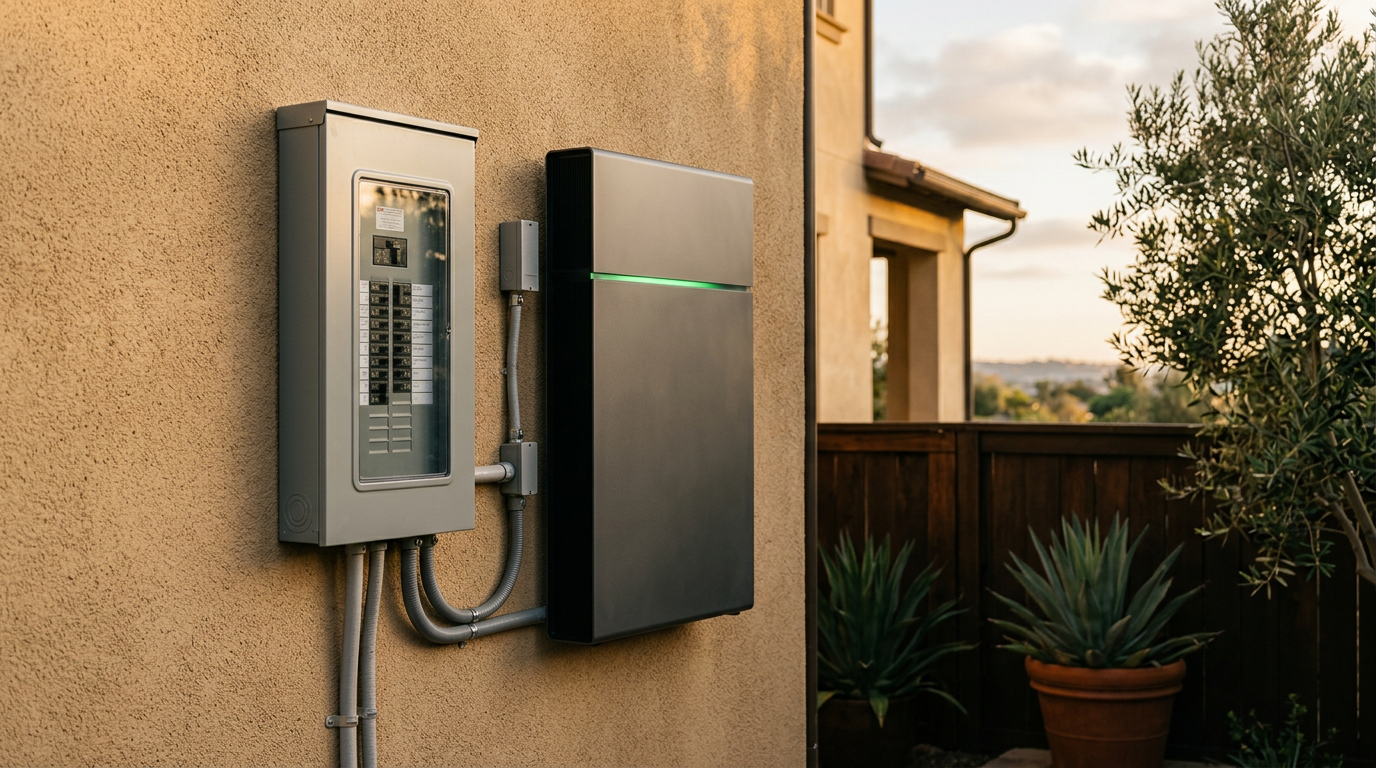
In 2026, installing a standalone solar system without battery storage rarely pencils out financially. To realize true utility savings under NEM 3.0, homeowners must install battery systems (like a Tesla Powerwall or FranklinWH) to store their daytime solar production and discharge it during the evening peak hours when utility rates are highest. This requirement has significantly increased the upfront capital cost of adopting solar, raising the break-even period for new installations.
For homebuyers, this makes existing homes with grandfathered NEM 2.0 systems highly desirable. These systems retain their favorable export rates for 20 years from their original interconnection date, representing a tangible monthly carrying cost advantage that sellers should actively market.
Leased vs. Owned Solar: The Resale Complication
While owned solar (especially NEM 2.0) is an asset, leased solar systems continue to be one of the most common friction points in Orange County real estate transactions.
Many homeowners in cities like Garden Grove, Westminster, and Anaheim opted for solar leases or Power Purchase Agreements (PPAs) to avoid upfront costs. These agreements often span 20 to 25 years and include annual escalation clauses. When it comes time to sell, the homeowner must either convince the buyer to assume the lease or pay off the remainder of the contract through escrow.
In today's market, buyers are increasingly resistant to assuming solar leases. A $200 monthly lease payment directly impacts the buyer's debt-to-income ratio and reduces their purchasing power. Furthermore, the solar company places a UCC-1 fixture filing on the property's title, which must be addressed before a new mortgage can be recorded. Sellers must be prepared to negotiate these leases, and in many cases, absorbing the buyout cost is the only way to keep a transaction intact.
Southern California Edison and the Rising Cost of Power
For homes without solar, utility costs represent a rapidly growing segment of monthly carrying costs. Southern California Edison (SCE), the primary electricity provider for most of Orange County, has implemented consistent rate increases in recent years to fund grid modernization, wildfire mitigation, and the transition to renewable energy.
SCE operates on Time-of-Use (TOU) rate plans, meaning electricity is significantly more expensive during peak hours—typically 4:00 PM to 9:00 PM. This structure disproportionately impacts inland Orange County cities. During the summer months, residents in Anaheim, Fullerton, and Orange rely heavily on air conditioning precisely when rates are at their highest.
Furthermore, California's push toward electrification—encouraging heat pumps, induction stoves, and electric vehicle (EV) charging—means overall household electricity consumption is rising. Older 1960s and 1970s tract homes in North Orange County often require costly 200-amp electrical panel upgrades just to safely support these new, high-draw appliances. Homeowners must factor both the consumption costs and the infrastructure upgrades into their long-term carrying cost projections.
Water, Trash, and Municipal Utility Increases
While electricity grabs the headlines, municipal utilities are quietly adding to the carrying cost burden. Water rates in Orange County vary significantly depending on the local water district.
Districts like the Irvine Ranch Water District (IRWD) utilize a budget-based tiered rate structure. While they are highly efficient at water recycling, exceeding your allocated water budget results in steep penalty rates. Homeowners with expansive natural lawns or older, inefficient irrigation systems are seeing their monthly water bills climb. This has accelerated the trend of drought-tolerant landscaping and hardscaping across the county.
Additionally, state mandates like SB 1383, which requires organic waste recycling, have forced local municipalities and waste management companies to invest in new infrastructure and collection fleets. These costs are inevitably passed down to the homeowner in the form of higher monthly trash and sanitation fees.

Mitigation Strategies: Lowering Your Monthly Burden
While rising carrying costs are a reality, Orange County homeowners have several strategies to mitigate the impact:
- Home Hardening for Insurance: If you live in a fire-prone area, investing in home hardening can make your property more insurable. This includes installing a Class A fire-rated roof, ember-resistant vents, and maintaining defensible space (removing brush and trees near the structure). Under California regulations, insurers are required to offer discounts to homeowners who take specific mitigation steps.
- Strategic Energy Upgrades: Before investing in solar, focus on energy efficiency. Upgrading attic insulation, sealing ductwork, and installing variable-speed pool pumps can drastically reduce your baseline energy consumption, lowering your SCE bills without a massive capital outlay.
- Tax Credits and Rebates: The federal Inflation Reduction Act (IRA) provides significant tax credits for energy-efficient upgrades, including heat pumps, electrical panel upgrades, and solar battery storage. Always consult with a licensed CPA to understand how these credits apply to your specific tax situation, as real estate professionals cannot provide tax advice.
- Annual Insurance Reviews: Do not simply auto-renew your homeowner's insurance. Work with an independent insurance broker who can shop your policy across multiple carriers to ensure you are getting the best rate for your risk profile.
Factoring Carrying Costs Into Your Long-Term Equity Plan
Understanding the interplay between insurance, utilities, and solar is crucial for making sound real estate decisions in Orange County. A home's purchase price is only the beginning of the financial equation.
At The Maison by Phan Group, we believe that true real estate advising goes beyond the transaction. It requires a holistic understanding of what it actually costs to own, maintain, and protect a property over time. Whether you are analyzing the cash flow of an investment property in Little Saigon or calculating the long-term holding costs of a family home in Fountain Valley, having accurate, up-to-date data is essential.
If you are considering buying or selling in Orange County and want a clear, realistic picture of today's carrying costs, reach out for a consultation. Paul Phan, Realtor® with First Team Real Estate (DRE #02226917), and our team are here to help you navigate this shifting landscape with confidence. Contact us directly at (714) 717-8088 or email paul@maisonbyphan.com to discuss your real estate strategy.
Miễn Trừ Trách Nhiệm
Market information is provided for general education and reflects conditions at the time of writing. It is not legal, tax, or investment advice.
Frequently Asked
What is the California FAIR Plan and how does it affect my OC home?
The FAIR Plan is the state's syndicated fire insurance pool, acting as an insurer of last resort. It only covers fire and smoke, meaning homeowners must purchase a separate Difference in Conditions (DIC) policy for full coverage, which typically results in much higher overall carrying costs.
Is solar still worth it in Orange County under NEM 3.0?
Yes, but the math has changed. Because NEM 3.0 drastically reduced the rate utilities pay for excess power, new solar systems usually require battery storage to capture and use that energy during peak evening hours, increasing the upfront cost.
Can I transfer my solar lease to a buyer when I sell my home?
While solar leases are technically transferable, many buyers in today's market refuse to assume the monthly payment and the debt-to-income hit. Sellers are frequently having to negotiate a buyout of the lease through escrow to close the deal.
Why did my Irvine condo HOA dues increase so much this year?
Many condo and townhome associations across Orange County are facing massive premium hikes on their master insurance policies due to carrier withdrawals from California. HOAs must pass these costs to owners through higher monthly dues or special assessments to remain solvent.
Talk it through
Have a question about your own situation?
Paul Phan represents buyers and sellers across Orange County — in English and Vietnamese.
(714) 717-8088Continue reading
Investors
Bất Động Sản Đầu Tư Tại Anaheim: Giá Thuê, Tỷ Suất Sinh Lời (Cap Rate) và Tiềm Năng Xây ADU
Anaheim mang đến sự kết hợp độc đáo giữa nhu cầu thuê nhà cao và diện tích đất lý tưởng cho các nhà đầu tư. Khám phá cách xây dựng ADU, lợi thế về điện nước địa phương và việc chọn khu vực ảnh hưởng thế nào đến tỷ suất sinh lời (cap rate) tại trung tâm Bắc Orange County này.
Buyers
Chuyển Đến Orange County: Cẩm Nang Chọn Khu Phố Phù Hợp Thực Tế
Chuyển đến Orange County đòi hỏi nhiều hơn là chỉ chọn một thành phố trên bản đồ. Cẩm nang này phân tích chi tiết các tuyến đường đi làm, phong cách nhà ở và nhịp sống của từng khu vực để giúp người mua nhà tìm được nơi an cư lý tưởng nhất.
Buyers
Mua Nhà Mới Xây Ở North Orange County: Ưu Điểm, Nhược Điểm Và Cách Thương Lượng
Mua một căn nhà mới tinh ở North Orange County mang lại sự tiện nghi hiện đại và thiết kế hoàn mỹ, nhưng quá trình này khác xa so với việc mua nhà cũ. Hãy cùng tìm hiểu cách xử lý hợp đồng của builder, khám phá các chi phí ẩn và cách thương lượng hiệu quả trước khi bạn bước chân vào nhà mẫu.
